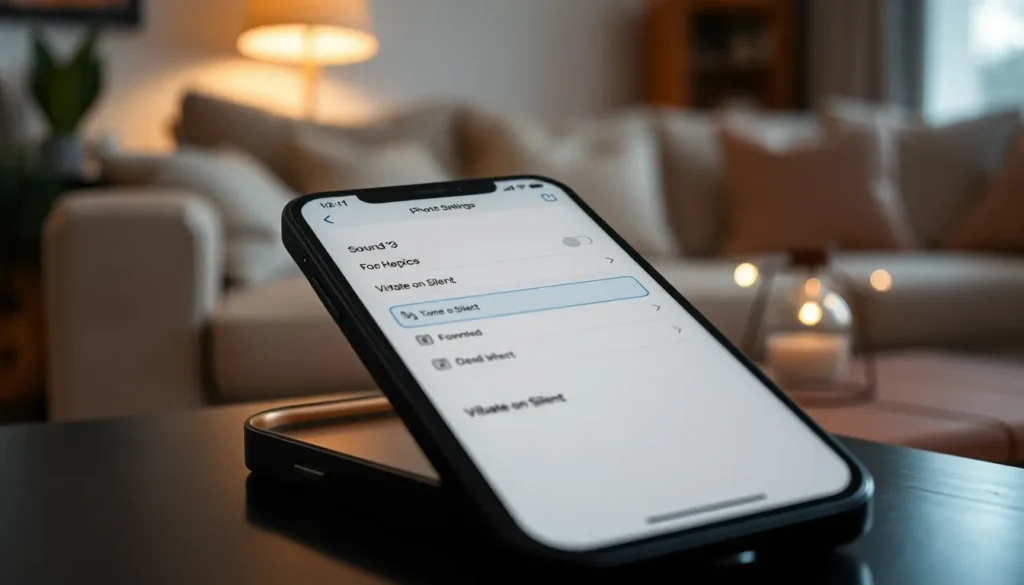
In a world where silence reigns supreme, the iPhone 13 can sometimes feel like a well-behaved puppy—adorably quiet but a bit too obedient. Imagine missing that important call or text because your phone decided to play the role of a ninja, lurking in silence! Fear not, for there’s a way to turn your iPhone into a discreet yet effective communicator that vibrates even when it’s on silent mode.
Understanding iPhone 13 Vibration Settings
Vibration settings play a crucial role in managing notifications on the iPhone 13. Users can enable vibrating alerts, ensuring they stay informed even in silent mode.
Importance of Vibration Mode
Vibration mode offers discreet notifications for calls and messages. It maintains a balance between privacy and responsiveness. Users can receive alerts without disturbing others, making it especially important in meetings or quiet environments. Many individuals appreciate knowing when a message arrives without the need for audible sounds. Keeping the vibration feature active supports users in remaining connected while limiting disruptions. It serves as an essential tool for effective communication.
Differences Between Silent and Vibration Modes
Silent mode prevents any sounds from the device, muting ringtones and notification tones. Vibration mode, however, enables the device to vibrate for calls and messages while muted, providing an alternative alert method. While silent mode ensures complete quiet, vibration mode allows users to stay informed without disturbing their surroundings. Silent mode focuses on reducing noise. Vibration mode emphasizes communication without sound. Understanding these differences helps users effectively manage notifications based on their environments and needs.
Step-by-Step Guide to Enable Vibration
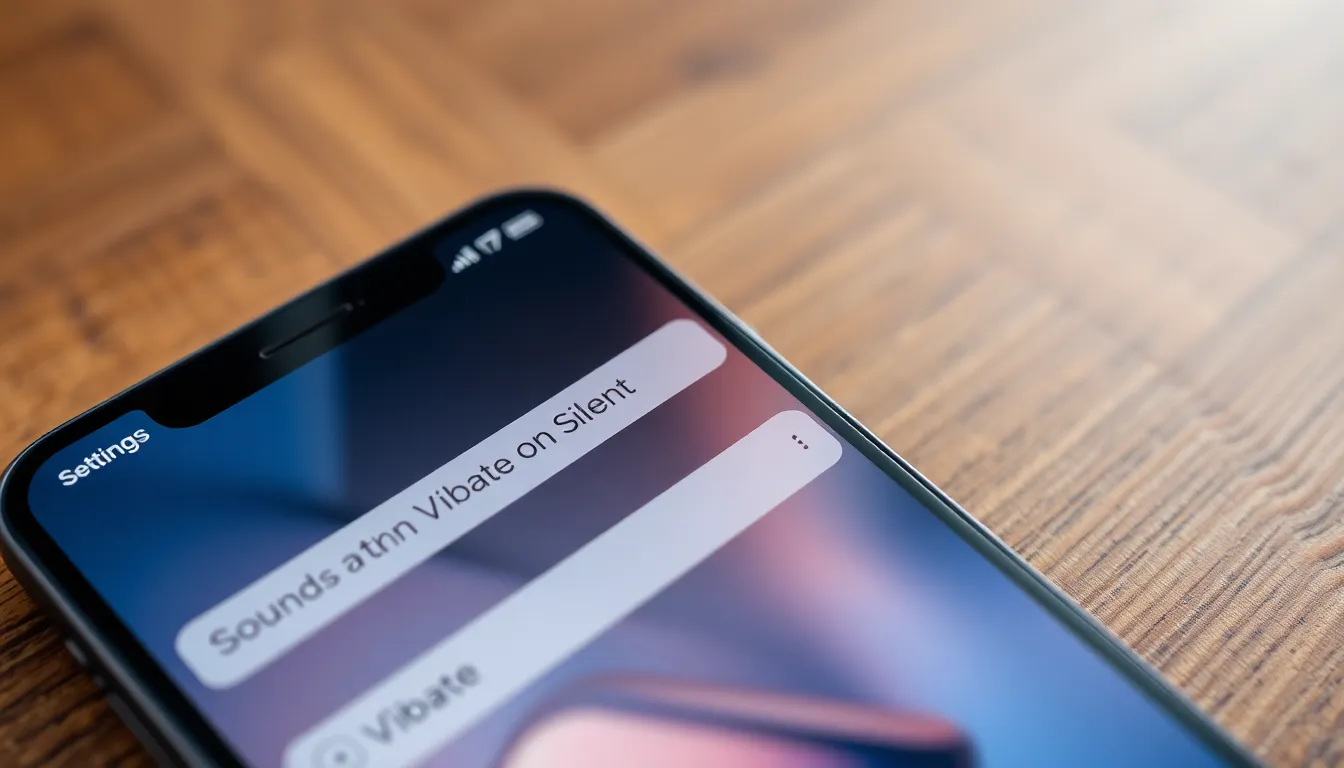
Enabling vibration on an iPhone 13 while in silent mode helps ensure important notifications aren’t missed. Follow these steps for effective adjustments.
Accessing Settings
First, he or she should locate the Settings app on the home screen. Tapping the icon opens a range of options. Scroll down until the Sounds & Haptics menu appears, then tap it. From this menu, users find various sound settings related to notifications and haptics. Glancing through these configurations aids in understanding how vibration settings work.
Adjusting Sound and Haptics
Adjusting sound and haptics is crucial for vibration functions on the iPhone 13. In the Sounds & Haptics menu, they should ensure that the option “Vibrate on Silent” is enabled. This setting allows the phone to vibrate even when in silent mode. Additionally, users can customize vibration patterns for different alerts. Explore the Vibration option under Ringtones to create unique signals for calls or messages. By personalizing these settings, he or she can increase notification awareness without disturbing surroundings.
Customizing Vibration Patterns
Customizing vibration patterns enhances the notification experience on the iPhone 13. Users can assign unique vibrations to different contacts or apps, making it easier to identify incoming alerts.
Creating a Custom Vibration
Creating a custom vibration begins in the Settings app. Users can go to Sounds & Haptics, then select Ringtone or Text Tone. Next, they should tap Vibration at the top of the screen, then choose Create New Vibration. Tapping the screen allows them to design a specific pattern by simply tapping or holding. After finishing, they can save and name the new vibration, ensuring it resonates with their preferences. The personalized touch helps notifications stand out.
Choosing from Pre-Defined Patterns
Choosing from pre-defined patterns offers a quick way to personalize alerts. Within the Vibration settings, users find a variety of default vibrations categorized for different purposes. Each pattern has its unique rhythm, which helps differentiate between alerts. Selecting a pre-defined pattern involves tapping one to test it, providing instant auditory feedback. This simple process ensures that users can swiftly customize their notifications without extra hassle while maintaining a comprehensive awareness of calls and messages.
Troubleshooting Common Issues
Vibration settings may not work as expected on an iPhone 13. Common issues can arise from hardware settings or software configurations.
Checking Hardware Settings
First, confirm that the ring/silent switch is not set to silent. If the switch is orange, vibrate functions may not activate. Also, ensure that the device is not in Do Not Disturb mode, which silences all notifications regardless of settings. Users should tap the side buttons to adjust volume if they suspect sound issues. It’s important to inspect the phone for possible physical damage, as this can affect the vibration motor. If hardware problems persist, contacting Apple Support may be necessary.
Software Solutions
Next, software configurations could cause vibration issues. Users can enable the “Vibrate on Silent” option in the Sounds & Haptics menu. This setting ensures the device vibrates even in silent mode. Restarting the iPhone can resolve minor software glitches that impair functionality. Additionally, users should check for software updates that may improve system performance. If problems continue, performing a factory reset can restore default settings, but be sure to back up data beforehand.
Enabling vibration on the iPhone 13 while in silent mode is a simple yet effective way to stay connected without causing disruptions. By following the outlined steps users can ensure they never miss important notifications again. Customizing vibration patterns adds an extra layer of personalization that enhances the overall notification experience.
With the right settings in place users can maintain their privacy while remaining responsive to calls and messages. Troubleshooting potential issues ensures that the device performs optimally. Overall understanding these features empowers users to manage their notifications in a way that suits their lifestyle.