Imagine this: you’re enjoying a peaceful day when suddenly your iPhone decides to perform its own version of a dramatic SOS call, sending your heart racing and your friends into a frenzy. It’s like your phone’s auditioning for a role in a disaster movie! But don’t worry, turning off that pesky SOS feature is easier than finding the nearest coffee shop.
Understanding SOS Features on iPhone
SOS features on iPhone provide users with quick access to emergency services. Accessing these functions can be beneficial but also lead to accidental calls if not managed properly.
What Is SOS Mode?
SOS mode enables users to contact emergency services rapidly. It activates by pressing the side button along with a volume button, initiating an emergency call. This function also shares location data with emergency contacts, aiding assistance. Users can customize settings to connect with specific contacts during emergencies. Maintaining awareness of how SOS mode activates ensures fewer unintentional calls.
Why You Might Want to Turn Off SOS
Disabling SOS might be necessary for various reasons. Frequent accidental activations can disrupt daily activities and cause unnecessary panic. Some individuals may prefer not to share their location automatically with emergency contacts. Turning off this feature can eliminate these disturbances. Adjusting this setting allows for a more tailored iPhone experience without compromising safety.
Ways to Turn Off SOS on iPhone
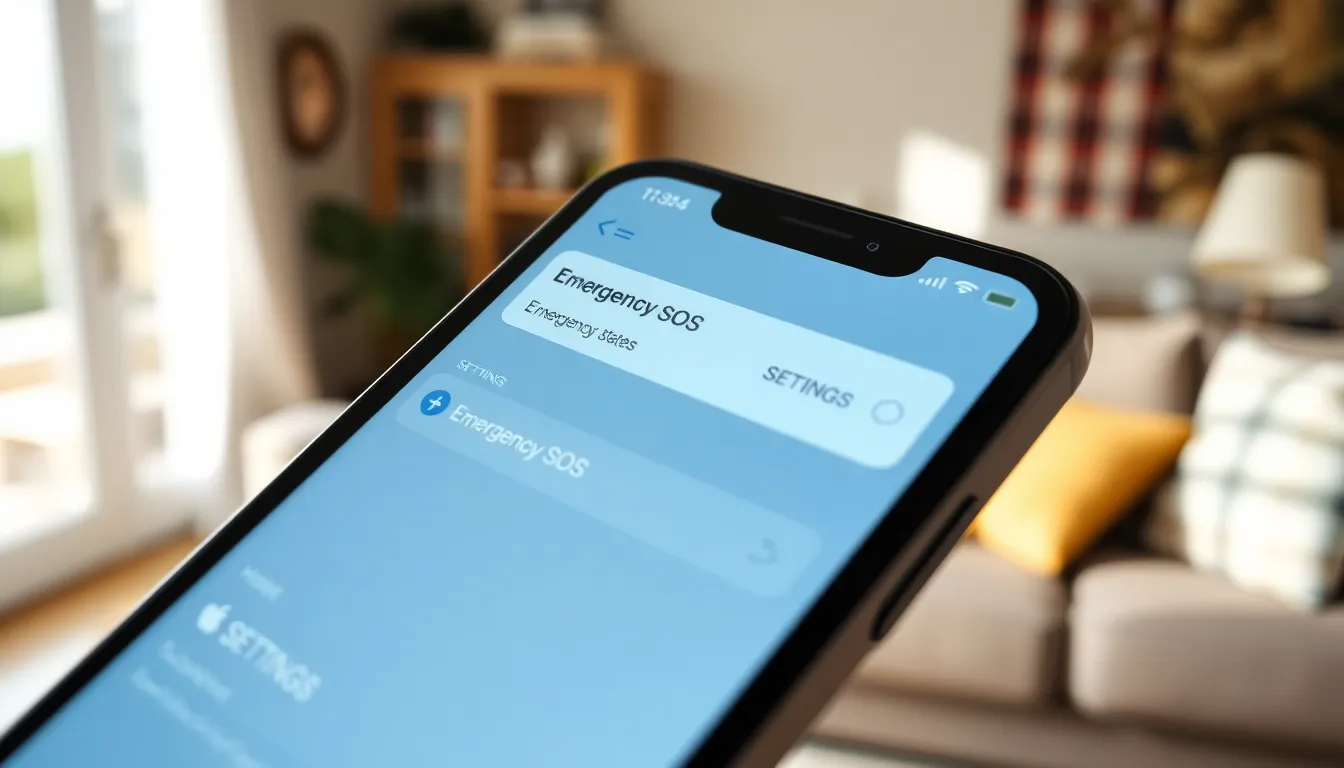
Disabling the SOS feature on an iPhone is straightforward. Here are two methods to regain control.
Using Settings App
Accessing the settings offers a direct approach. Open the Settings app, scroll down, and tap on Emergency SOS. Within this menu, toggle off the Auto Call option. This adjustment prevents accidental SOS calls triggered by side button presses. Users can also modify other preferences related to emergency contacts. Overall, this method ensures full control over emergency settings.
Using Physical Buttons
Another effective method involves the physical buttons. To disable SOS using the buttons, press and hold both the side button and a volume button. After that, hold them until the Emergency SOS slider appears. Instead of sliding to call, simply release the buttons. This quick method helps avoid unintentional calls while navigating daily tasks.
Troubleshooting Common Issues
Occasionally, users encounter issues when trying to turn off the SOS feature on their iPhones. Addressing common problems helps enhance the user experience.
SOS Activation Without Intent
Accidental SOS activations occur frequently, especially when users press buttons unintentionally. To minimize this problem, adjusting settings in the iPhone’s Control Center proves useful. Users often find that repositioning their grip or using a protective case can help. Specific cases designed for iPhones also prevent accidental button presses. In scenarios where the SOS feature activates unexpectedly, restarting the device may reset the functionality.
Phone Not Responding to Settings Changes
Sometimes, phones don’t respond to changes made in the settings. This issue may result from software glitching or outdated iOS. Restarting the iPhone usually resolves this concern quickly. Users should check for software updates in the settings menu and install any available updates. Failing to see changes might indicate a deeper software issue, which could require resetting the device. A factory reset should serve as a last resort, but it typically resolves stubborn problems effectively.
Additional Tips for iPhone Users
Managing SOS calls efficiently can enhance the overall user experience. Adjusting settings helps prevent accidental activations. For example, users might want to access the Settings app regularly to review their configurations.
Minimizing accidental calls often involves choosing the right case. Selecting a case that fits snugly but does not obstruct buttons reduces the chances of unintentional SOS activations. Seek out protective options that allow comfortable use of physical controls.
Consider disabling features that aren’t necessary. For users who don’t frequently utilize Emergency SOS, turning off the Auto Call option can streamline device use. Finding a balance between safety and convenience is essential.
Regularly updating iOS can also make a difference. Outdated software can lead to glitches impacting how settings work. Checking for updates every few weeks ensures optimal performance and access to the latest features.
Learning to use alternative emergency features enhances preparedness. For instance, users can set up Medical ID to share vital health information with emergency responders. Accessing this information can be life-saving during critical situations.
Familiarizing with the Control Center can simplify phone management. Users can quickly toggle settings to ensure their device operates as desired. Skillful navigation of this feature allows for smoother adjustments.
Staying informed about iPhone updates provides users with improved functionality. Apple frequently introduces enhancements that refine the user experience. Keeping abreast of these changes can lead to smarter, safer device usage.
Disabling the SOS feature on an iPhone is a straightforward process that can significantly enhance daily usability. By following the methods outlined earlier users can prevent accidental emergency calls while still maintaining access to essential safety features.
Regularly reviewing settings and staying updated on iOS can further optimize the iPhone experience. With the right adjustments users can enjoy peace of mind knowing they have control over their device without sacrificing safety. Embracing these practices not only streamlines device management but also ensures a smarter and more efficient way to use their iPhone.